Introduction
Manufacturers seeking IECEx certification struggle to identify authorized testing laboratories. Companies waste time contacting facilities without proper IECEx accreditation.
Geographic distance to accredited laboratories creates logistics challenges and cost concerns. Understanding which facilities hold valid ExTL accreditation prevents wasted effort and ensures legitimate testing.
Finding appropriate testing laboratories near your location or with expertise in your equipment type accelerates certification. Strategic laboratory selection impacts both costs and timelines significantly.
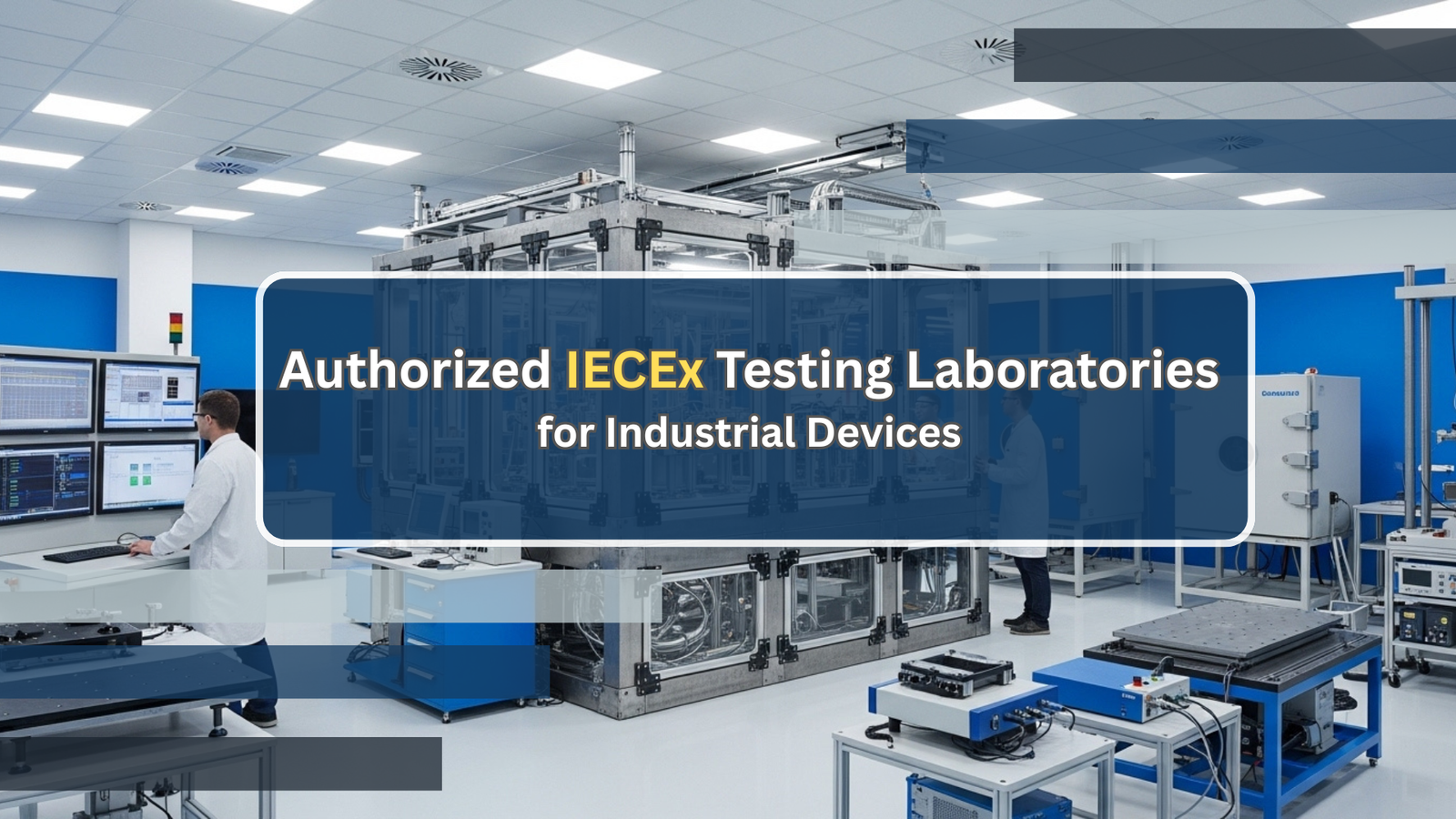
IECEx authorized testing laboratories (ExTL) are accredited facilities worldwide conducting explosive atmosphere equipment testing. The IECEx system maintains an official database of all accredited laboratories.
Currently, over 50 testing laboratories across Europe, Asia, Americas, and Oceania hold IECEx ExTL accreditation. No testing facilities in UAE or Saudi Arabia currently hold this specific accreditation.
Most Middle Eastern manufacturers ship samples to international laboratories in Europe or Asia. Understanding laboratory locations, specializations, and logistics helps optimize testing arrangements.
What is an IECEx Testing Laboratory (ExTL)?
Accreditation Requirements
IECEx Testing Laboratories must demonstrate technical competence through rigorous accreditation processes. They prove capability to conduct testing according to IEC 60079 standards accurately.
Facilities undergo assessment by IECEx authorized bodies verifying testing equipment, personnel qualifications, and quality systems. Accreditation ensures consistent testing quality globally.
Laboratories must maintain ISO/IEC 17025 accreditation for testing competence. This international standard ensures technical validity of test results.
Regular surveillance audits verify continued compliance with ExTL requirements. Laboratories losing accreditation cannot conduct testing for IECEx certification purposes.
Testing Capabilities
Authorized laboratories must demonstrate capabilities across multiple testing disciplines. Electrical testing includes insulation resistance, dielectric strength, and leakage current measurements.
Thermal testing facilities measure surface temperatures and internal component temperatures under various conditions. Environmental chambers subject equipment to temperature extremes and humidity.
Mechanical testing equipment assesses impact resistance, enclosure strength, and environmental durability. Specialized equipment tests specific protection concepts like flameproof or intrinsic safety.
Some laboratories specialize in particular equipment types or protection methods. Others offer comprehensive testing across all explosive atmosphere equipment categories.
Quality and Traceability
Accredited laboratories maintain rigorous calibration programs for all testing equipment. Measurement traceability to international standards ensures test result accuracy.
Documented test procedures ensure consistent testing approaches across different samples and time periods. Standardized procedures enable result comparability between laboratories.
Comprehensive test reporting provides detailed results, observations, and conclusions. Reports become permanent certification record components.
Understanding IECEx certification testing requirements helps manufacturers appreciate laboratory role in the certification process.
Where Are IECEx Testing Laboratories Located?
European Testing Facilities
Europe hosts the highest concentration of IECEx accredited testing laboratories. Major facilities operate in Germany, United Kingdom, France, Netherlands, Italy, and other countries.
German laboratories including Physikalisch-Technische Bundesanstalt (PTB) and other facilities offer comprehensive testing services. These well-established facilities possess extensive explosive atmosphere expertise.
UK laboratories like SIRA Certification Service and others provide testing across protection concepts. British facilities benefit from long histories in explosive atmosphere certification.
French, Dutch, and Italian laboratories serve European manufacturers while also accepting international samples. Proximity to major industrial centers provides logistics advantages.
European laboratories typically charge higher fees than Asian facilities but often provide faster turnaround. Language capabilities in English facilitate communication with international clients.
Asian Testing Laboratories
China hosts multiple IECEx accredited facilities serving growing Asian markets. Chinese laboratories offer competitive pricing attracting cost-conscious manufacturers.
Testing facilities in China including CQST and others handle high sample volumes. Large capacity means shorter waiting periods for testing slots.
South Korean and Japanese laboratories serve regional manufacturers with high technical standards. These facilities combine quality with reasonable pricing.
Southeast Asian laboratories in countries like Malaysia provide regional testing access. Proximity to manufacturing centers reduces shipping complexities.
Asian laboratories generally charge 30-50% less than European facilities for comparable testing. However, communication challenges and longer turnaround times may occur.
Americas and Oceania Facilities
Canadian and American laboratories serve North American manufacturers primarily. Some accept international samples though shipping logistics prove challenging.
Australian laboratories including TestSafe and others serve Oceania region effectively. Geographic isolation makes local testing valuable for Australian and New Zealand manufacturers.
Brazilian facilities provide South American access reducing shipping distances for regional manufacturers. Growing regional certification demand drives laboratory development.
Limited accredited laboratory presence in Middle East, Africa, and parts of Asia creates gaps. Manufacturers in these regions rely primarily on European or Asian facilities.
How Do You Select the Right Testing Laboratory?
Equipment Specialization
Different laboratories specialize in particular equipment types or industries. Some focus on electrical equipment while others emphasize mechanical devices.
Intrinsic safety testing requires specialized equipment and expertise. Not all laboratories offer comprehensive IS testing capabilities.
Oil and gas industry equipment may benefit from laboratories with sector-specific experience. Industry knowledge helps laboratories understand application contexts.
Custom or novel equipment designs need laboratories willing to develop specialized test procedures. Flexible laboratories adapt to unique testing challenges.
Logistics and Timing
Geographic proximity reduces shipping costs, transit times, and damage risks. However, proximity shouldn’t override accreditation and competence.
Shipping international samples requires export documentation, customs clearance, and insurance. Complex logistics add time and potential complications.
Laboratory scheduling availability impacts project timelines significantly. Busy facilities may have weeks or months of testing backlogs.
Some laboratories offer expedited testing for premium fees. Rush services help manufacturers facing tight market deadlines.
Cost Considerations
Testing fees vary substantially between laboratories. European facilities typically charge USD 15,000-80,000+ while Asian labs may offer 30-50% lower pricing.
Fee structures differ with some charging daily rates and others using fixed project pricing. Understand exactly what’s included in quoted fees.
Hidden costs including sample preparation, repeat testing, or additional documentation should be clarified upfront. Comprehensive quotes prevent budget surprises.
Total cost includes laboratory fees plus shipping, insurance, customs, and potential sample modifications. Consider complete financial picture when comparing options.
What Information Do Laboratories Need?
Technical Documentation
Laboratories require complete technical drawings showing equipment construction details. Electrical schematics indicate all circuits and protective components.
Bill of materials lists all components with specifications and ratings. Material properties affect testing approaches and acceptance criteria.
Intended protection concepts and zone classifications guide testing protocols. Clear specification prevents misunderstandings about testing scope.
Sample Requirements
Physical samples must represent production equipment accurately. Prototype differences from production units may invalidate test results.
Sample quantities vary by equipment type and testing scope. Some tests consume samples while others allow sample return after testing.
Sample condition affects testing feasibility. Damaged samples from shipping may require replacement before testing begins.
Assembly instructions help laboratories configure equipment correctly for testing. Clear instructions prevent incorrect setup invalidating results.
Project Timeline Expectations
Realistic timeline expectations help laboratories schedule appropriately. Rush requests may not be feasible during peak periods.
Communication about critical deadlines enables laboratories to prioritize when possible. However, technical rigor cannot be sacrificed for speed.
Flexibility with timing provides laboratories scheduling options. Rigid deadlines sometimes force higher costs or reduced testing thoroughness.
How Do You Verify Laboratory Accreditation?
Official IECEx Database
The IECEx official website maintains current database of all accredited testing laboratories. Search this database confirming ExTL accreditation before engaging laboratories.
Accreditation status shows as active or suspended. Only laboratories with active accreditation can conduct valid IECEx testing.
Accreditation scope specifies exactly what equipment types and testing disciplines laboratories cover. Ensure scope matches your equipment requirements.
Database information includes laboratory contact details and parent organization information. This facilitates direct communication with appropriate facilities.
Requesting Accreditation Certificates
Request copies of current accreditation certificates from laboratories. Valid certificates show accreditation validity dates and scope details.
Verify certificate authenticity by checking against IECEx database information. Mismatches between certificates and database raise concerns.
Expired accreditation certificates indicate laboratories cannot currently conduct valid IECEx testing. Always confirm current accreditation status.
Certification Body Recommendations
Certification bodies maintain relationships with testing laboratories they trust. Request laboratory recommendations from your selected certification body.
Bodies often coordinate testing through preferred laboratories. This coordination can streamline processes and improve communication.
However, manufacturers aren’t obligated to use certification body-recommended laboratories. Any accredited ExTL provides valid testing.
Understanding IECEx certification in UAE helps regional manufacturers navigate international laboratory selection despite limited local facilities.
What About Regional Testing Alternatives?
Middle East Testing Development
Currently no IECEx accredited testing laboratories operate in UAE, Saudi Arabia, or other Middle Eastern countries. Regional manufacturers must use international facilities.
However, some regional laboratories pursue IECEx accreditation to serve growing market demand. Future local testing capability would significantly benefit regional manufacturers.
Partnership arrangements between local facilities and accredited laboratories provide coordination services. Local partners manage logistics while testing occurs at accredited facilities.
These partnerships reduce shipping complexities and improve communication. Regional representatives understand local business practices and customer needs.
Future Laboratory Expansion
Growing certification demand in emerging markets drives laboratory development. Asia and Middle East represent key growth regions.
Establishing accredited laboratories requires substantial investment in equipment, personnel, and facilities. Multi-year development timelines mean new laboratories emerge gradually.
Regional industrial development and certification volume justify laboratory investments. UAE and Saudi Arabia’s industrial growth may attract future laboratory development.
Until local facilities gain accreditation, manufacturers must continue using established international laboratories. Planning for international logistics remains necessary.
Key Takeaway
- Over 50 IECEx accredited testing laboratories operate worldwide with concentrations in Europe and Asia
- No accredited facilities currently exist in UAE or Saudi Arabia requiring international sample shipment
- European laboratories charge higher fees (USD 15,000-80,000+) with faster service while Asian facilities offer 30-50% lower costs
- Verify laboratory accreditation through official IECEx database before engagement
- Select laboratories based on equipment specialization, logistics, costs, and scheduling availability
- Technical documentation, samples, and timeline expectations must be clearly communicated to laboratories
Need help selecting and coordinating with IECEx testing laboratories? Extrainings provides expert guidance on laboratory selection, sample preparation, and testing coordination, ensuring efficient and successful testing processes for manufacturers worldwide.