
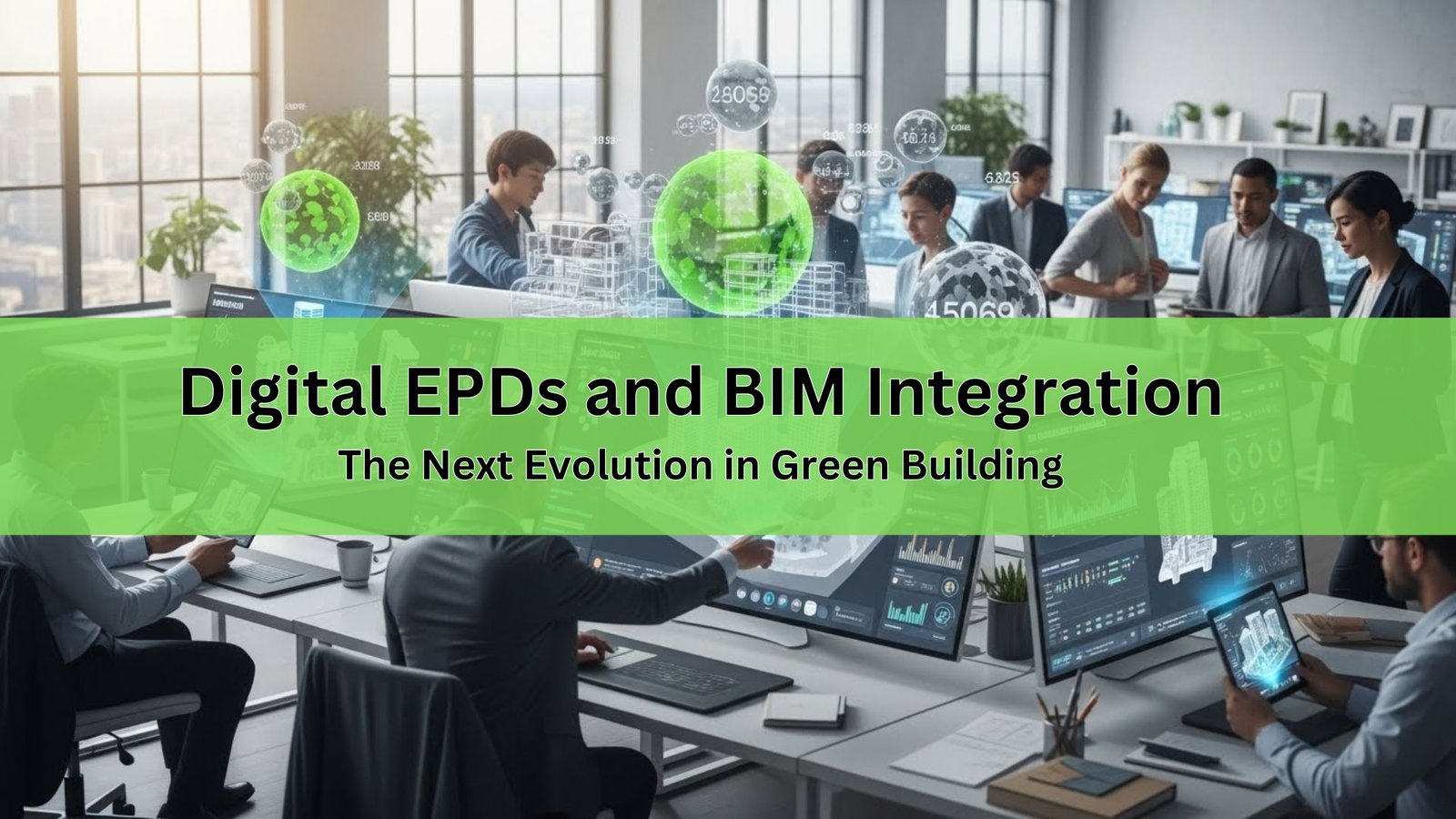
The convergence of digital construction technologies and environmental transparency is revolutionizing how buildings are designed, constructed, and operated. Digital EPDs integrated with Building Information Modeling systems represent the next evolutionary leap in sustainable architecture, transforming static PDF documents into dynamic datasets that enable real-time environmental impact assessment throughout design and construction processes.
This technological integration addresses longstanding challenges in green building practice where environmental considerations often entered design processes too late to influence fundamental decisions. By embedding EPD data directly into BIM workflows, architects and engineers can evaluate sustainability implications during conceptual design when modifications remain cost-effective and impactful, rather than after specifications finalize.
The Digital Transformation of Environmental Product Declarations
Traditional EPD formats consisted primarily of PDF documents containing tables, charts, and narrative descriptions suitable for human reading but poorly adapted for digital workflows. While these static documents served verification and communication purposes, they created friction in design processes requiring manual data extraction, transcription, and interpretation.
From Static Documents to Structured Data
Digital EPD evolution centers on transforming declarations into machine-readable structured data formats enabling automated processing, integration, and analysis. This transformation parallels broader construction industry digitization where paper-based processes migrate to digital workflows supporting collaboration, automation, and data-driven decision-making.
Understanding comprehensive EPD development frameworks becomes increasingly important as manufacturers must now consider digital format requirements alongside traditional documentation. The relationship between EPD and underlying LCA data gains new significance as digital systems require access to detailed impact breakdowns rather than just summary results.
- Structured XML or JSON Data: Machine-readable formats enabling automated data extraction and processing
- Unique Product Identifiers: Standardized codes linking EPDs to BIM objects and product databases
- Granular Impact Data: Detailed breakdowns by lifecycle stage and impact category for sophisticated analysis
- Metadata Standards: Consistent tagging enabling search, filtering, and comparison across products
- Version Control: Systematic tracking of EPD updates ensuring current data usage
- API Accessibility: Programmatic interfaces allowing software systems to retrieve EPD data dynamically
Industry Standards Enabling Interoperability
Digital EPD success requires standardized data formats ensuring interoperability across software platforms, EPD programs, and international markets. Several initiatives work toward these standards, though complete harmonization remains works in progress requiring ongoing industry collaboration.
The EC3 (Embodied Carbon in Construction Calculator) database pioneered digital EPD aggregation for North American markets, establishing data structures subsequently adopted by other platforms. European initiatives including INIES in France and ÖKOBAUDAT in Germany develop regional digital EPD infrastructures with varying format specifications creating integration challenges for global manufacturers.
BIM Integration: Embedding Sustainability in Design Workflows
Building Information Modeling revolutionized construction by creating comprehensive digital building representations integrating geometry, specifications, quantities, and performance characteristics. Sustainability data integration represents logical evolution, embedding environmental considerations alongside cost, scheduling, and technical requirements already managed through BIM platforms.
How BIM-EPD Integration Works
Digital EPD integration enables BIM software to automatically calculate project environmental impacts by aggregating data from specified products. When architects select materials and building components within BIM environments, integrated EPD data enables instant impact assessment showing how design decisions affect carbon footprints, resource consumption, and other environmental metrics.
This workflow transformation means sustainability assessment occurs continuously throughout design rather than as discrete analyses at project milestones. Designers receive immediate feedback on environmental implications of material selections, enabling iterative optimization that balances aesthetics, performance, cost, and sustainability simultaneously.
- Native BIM Software Integration: Direct EPD data incorporation into Revit, ArchiCAD, or other platforms through plugins or built-in features
- Cloud Database Connectivity: BIM software accessing centralized EPD repositories via API connections
- IFC Extended Data: Environmental data embedded in Industry Foundation Classes enabling cross-platform compatibility
- Excel-Based Workarounds: Manual data linking through spreadsheet exports (legacy approach being phased out)
Real-Time Environmental Impact Assessment
Perhaps the most transformative aspect of BIM-EPD integration involves real-time impact visualization showing immediate environmental consequences of design decisions. When architects modify floor plans, adjust structural systems, or change finish materials, integrated dashboards update automatically displaying revised carbon footprints, embodied energy, and other sustainability metrics.
This immediate feedback loop enables evidence-based design optimization impossible with traditional assessment methodologies requiring hours or days to analyze design variations. Architects can rapidly evaluate dozens of alternatives, identifying optimal solutions balancing multiple competing objectives including environmental performance.
Benefits for Stakeholders Across the Building Lifecycle
Digital EPD and BIM integration delivers value to multiple stakeholders throughout building lifecycles, transforming how projects approach sustainability from conception through operation and eventual deconstruction.
Architects and Design Teams
Design professionals gain powerful tools for evidence-based sustainable design decisions without sacrificing creativity or adding significant workflow complexity. Integrated systems enable rapid exploration of design alternatives, quantifying environmental trade-offs that inform aesthetic and functional choices.
The integration also strengthens client communication by visualizing sustainability performance in compelling formats that resonate with stakeholders who may lack technical environmental expertise. Instead of presenting dense LCA reports, designers can show intuitive dashboards, comparative charts, and benchmark comparisons demonstrating environmental leadership.
Engineers and Consultants
Structural, mechanical, and sustainability consultants benefit from comprehensive environmental data access supporting detailed analyses and optimization studies. Engineers can evaluate structural system alternatives considering environmental impacts alongside cost and performance, identifying efficient solutions that minimize material usage while maintaining safety and durability.
Energy modelers can coordinate embodied carbon optimization with operational energy analysis, ensuring building designs minimize total lifecycle impacts rather than optimizing one dimension at the expense of others. This holistic approach prevents common scenarios where low-energy buildings carry excessive embodied carbon from overbuilt envelope systems.
- Structural system optimization minimizing material quantities and environmental impacts
- HVAC equipment selection balancing manufacturing impacts with operational efficiency
- Facade system evaluation considering embodied carbon and thermal performance
- Foundation design optimization based on site conditions and material impacts
- Specification development prioritizing low-impact alternatives meeting performance requirements
Owners and Developers
Building owners increasingly recognize that environmental performance affects asset values, operating costs, and tenant satisfaction. Digital integration enables owners to establish measurable sustainability requirements and track compliance throughout design and construction, ensuring delivered buildings meet expectations.
The data infrastructure also supports portfolio-level sustainability management where owners can aggregate environmental performance across multiple projects, identify best practices, and drive continuous improvement. This capability becomes especially valuable for institutional owners, REITs, and corporate real estate portfolios managing dozens or hundreds of properties.
Contractors and Supply Chain
Construction teams benefit from enhanced material tracking and substitution analysis when field conditions require design modifications. BIM-integrated EPD data enables contractors to evaluate alternative products maintaining environmental performance when specified materials become unavailable or cost-prohibitive.
Understanding how to obtain EPD certification becomes increasingly important for manufacturers as contractors prioritize suppliers providing compatible digital data supporting project sustainability documentation requirements.
Green Building Certification Integration
Digital EPD integration dramatically simplifies documentation for green building certifications including LEED, BREEAM, Green Star, and regional programs. The relationship between EPDs and LEED certification requirements becomes seamless when data flows automatically from BIM models into certification documentation.
Automated Credit Calculation
Traditional green building certification required manual compilation of product environmental data, calculation of credit achievement, and preparation of submission documentation—processes consuming days or weeks of consultant time per project. Digital integration automates much of this workflow, with software extracting relevant data from BIM models and generating credit calculations automatically.
This automation reduces certification costs, minimizes errors, and enables continuous tracking throughout design rather than scrambling during submission deadlines. Projects can monitor credit achievement in real-time, adjusting specifications as needed to achieve target certification levels.
Supporting Multiple Rating Systems
Projects pursuing multiple certifications or operating in jurisdictions with regional green building requirements benefit particularly from digital integration. Instead of maintaining separate documentation for each rating system, integrated platforms map EPD data to requirements across multiple frameworks, reducing duplication and ensuring consistency.
As EPD adoption accelerates in UAE green building standards and across the GCC region, digital integration will become essential infrastructure supporting compliance with evolving requirements.
Challenges and Solutions in Digital Integration
Despite compelling benefits, digital EPD and BIM integration faces obstacles requiring industry attention and innovative solutions. Understanding these challenges helps stakeholders set realistic expectations while working toward more seamless implementation.
Data Quality and Completeness
Digital integration effectiveness depends entirely on comprehensive, accurate EPD data availability for specified products. However, many manufacturers lack digital EPDs, limiting designers to products with appropriate documentation or requiring manual data entry defeating automation benefits.
This gap creates competitive dynamics where manufacturers providing digital-ready EPD data gain specification advantages over competitors offering only traditional documentation. Smart companies recognize this trend and prioritize digital format development alongside conventional EPD certification.
Software Capability Variations
BIM platforms vary significantly in sustainability integration sophistication, from advanced native capabilities to basic or non-existent environmental assessment tools. This fragmentation means designers’ capabilities depend partly on software choices rather than just professional expertise or project resources.
Third-party plugins and specialized sustainability analysis software fill gaps in native BIM platform capabilities, but these solutions add costs, training requirements, and workflow complexity. Industry movement toward universal standards and improved native integration should gradually address these limitations.
Learning Curves and Workflow Changes
Digital integration requires design teams to adapt established workflows, learn new software functionalities, and develop environmental literacy enabling effective use of integrated tools. This change management challenge shouldn’t be underestimated, particularly in firms with decades-established practices resistant to disruption.
Successful adoption typically requires dedicated training, pilot projects demonstrating value, and executive support championing new approaches. Firms viewing digital sustainability integration as strategic capability investment rather than temporary initiative achieve better adoption and utilization.
The Future: AI, Automation, and Advanced Analytics
Current digital EPD and BIM integration represents merely the foundation for more sophisticated capabilities emerging through artificial intelligence, machine learning, and advanced analytics applications.
Generative Design with Environmental Optimization
Generative design algorithms that explore thousands of design variations based on defined parameters increasingly incorporate environmental performance alongside traditional objectives like cost and structural efficiency. These AI-powered tools can identify innovative solutions humans might miss, optimizing simultaneously for aesthetics, function, cost, and sustainability.
As EPD databases expand and digital formats standardize, generative design environmental optimization will become increasingly sophisticated and accessible. What currently requires specialized expertise and significant computational resources will eventually become routine design assistance available to all practitioners.
Whole-Building Lifecycle Optimization
Future integration will extend beyond embodied carbon to encompass complete building lifecycle optimization including operational energy, water consumption, maintenance requirements, and eventual deconstruction. Digital twins combining BIM models with operational sensor data will enable continuous environmental performance monitoring and optimization throughout building lifespans.
This comprehensive approach addresses current limitations where design-phase assessment focuses heavily on embodied impacts while operational performance often deviates from predictions. Real-world performance feedback will inform future design decisions, creating continuous improvement cycles elevating industry environmental performance systematically.
Blockchain and Data Verification
Blockchain technology applications in construction could enhance EPD data trustworthiness by creating immutable records of product environmental characteristics verified through decentralized networks. While speculative currently, blockchain EPD verification could address concerns about data manipulation while simplifying verification processes and enabling new business models around environmental data marketplaces.
Implementation Roadmap for Design Firms
Architecture and engineering firms seeking to implement digital EPD and BIM integration benefit from structured approaches balancing capability development with practical project application.
Phase 1: Assessment and Planning
Begin by auditing current BIM capabilities, sustainability practices, and project typologies to understand integration requirements and opportunities. Evaluate available software solutions considering compatibility with existing platforms, learning curve requirements, and costs against expected benefits.
Engage project teams in planning processes to ensure buy-in and identify internal champions who can drive adoption. Understanding momentum behind growing EPD certification trends helps justify investment to skeptical stakeholders.
Phase 2: Pilot Projects
Select appropriate pilot projects for initial implementation—ideally with sustainability-focused clients, reasonable timelines, and motivated teams. Pilots should be large enough to demonstrate meaningful value but not so critical that learning curve challenges jeopardize success.
Document lessons learned, workflow modifications, and quantified benefits to build internal business cases for broader rollout. Calculate time savings, quality improvements, and environmental performance enhancements supporting continued investment.
Phase 3: Capacity Building
Develop firm-wide training programs, establish best practices, and create template workflows enabling efficient sustainable design across all projects. Build internal expertise through specialized training, industry conferences, and collaboration with early adopters.
Consider whether to develop capabilities internally or partner with specialized consultants providing sustainability analysis services. Many firms find hybrid approaches work best, building basic internal literacy while engaging specialists for complex analyses.
Phase 4: Market Positioning
Leverage enhanced capabilities for business development, showcasing digital sustainability integration as competitive differentiator appealing to environmentally-conscious clients and organizations pursuing ambitious climate goals.
Develop case studies, performance metrics, and client testimonials demonstrating tangible value delivered through advanced sustainable design capabilities. Position firm as industry leader embracing innovation and environmental responsibility.
Manufacturer Perspectives: Preparing for Digital Future
Product manufacturers must adapt to digital EPD requirements ensuring their offerings remain specified in increasingly sophisticated design workflows. This adaptation extends beyond creating digital format versions to encompass data quality, technical support, and ongoing engagement with evolving standards.
Developing Digital-Ready EPDs
Manufacturers should work with EPD program operators offering structured digital outputs and ensure declarations include sufficient granularity supporting advanced BIM applications. Basic carbon footprint numbers prove insufficient—designers need detailed breakdowns by lifecycle stage, material components, and impact categories.
Understanding comprehensive approaches to EPD development and verification becomes essential as digital requirements add complexity to certification processes. Collaboration between sustainability consultants, IT professionals, and EPD verifiers ensures digital formats meet both technical and credibility requirements.
Database Presence and Discoverability
Beyond creating digital EPDs, manufacturers must ensure their products appear in major databases where designers search for environmental data. This requires registering with multiple platforms, maintaining current information, and potentially paying listing fees—investments justified by increased specification probability.
Products absent from digital databases become effectively invisible in integrated workflows, regardless of environmental performance merits. As design teams increasingly rely on database searches for specification development, database presence transitions from nice-to-have to competitive necessity.
- ✓ Develop EPDs in machine-readable structured data formats (XML/JSON)
- ✓ Register products in EC3, INIES, ÖKOBAUDAT, and regional databases
- ✓ Assign unique product identifiers enabling BIM object linking
- ✓ Provide detailed impact breakdowns by lifecycle stage
- ✓ Include technical specifications enabling performance comparisons
- ✓ Establish update processes maintaining data currency
- ✓ Train technical sales teams on digital EPD usage and value proposition
- ✓ Monitor database analytics understanding how designers discover products
Technical Support Infrastructure
As designers integrate EPD data into BIM workflows, they inevitably encounter questions about data interpretation, appropriate application, and product-specific considerations. Manufacturers must develop technical support capabilities addressing these inquiries efficiently and accurately.
Leading companies establish dedicated sustainability support teams combining product knowledge with environmental expertise, capable of assisting architects and engineers optimizing specifications. This support becomes powerful competitive differentiator when competitors offer products without comparable technical assistance.
Regional Implementation: GCC Market Dynamics
Digital EPD and BIM integration adoption across GCC nations follows varying trajectories based on green building policy evolution, technological infrastructure, and market sophistication. Understanding regional dynamics helps stakeholders calibrate expectations and strategies.
UAE Leading Regional Adoption
The United Arab Emirates demonstrates most advanced digital sustainability integration, driven by ambitious green building requirements and technologically sophisticated development practices. Understanding UAE green building standards and EPD integration provides models potentially adopted by other GCC markets as capabilities mature.
Dubai and Abu Dhabi projects increasingly leverage BIM for sustainability documentation, creating market pull for digital EPD data and training professionals in integrated workflows. This early adoption positions UAE markets as regional testbeds for technologies and practices likely spreading across the Gulf over coming years.
Saudi Arabia’s Rapid Evolution
Saudi Arabia’s Vision 2030 megaprojects including NEOM emphasize technological innovation and sustainability, creating environments where digital EPD integration finds fertile ground despite limited current market penetration. As these flagship developments establish precedents, broader market adoption should accelerate.
Growing recognition of EPD importance in Saudi Arabia combined with substantial construction pipeline suggests rapid capability development over next 3-5 years, potentially matching or exceeding more established markets through aggressive adoption of cutting-edge approaches.
Capacity Building Imperatives
Successful regional digital integration requires substantial capacity building addressing knowledge gaps, developing local expertise, and establishing support infrastructure. Educational initiatives training architects, engineers, and contractors in digital sustainability workflows represent essential investments enabling technology realization.
Industry associations, government agencies, and academic institutions play crucial roles developing curricula, providing training programs, and establishing professional development pathways supporting workforce skill acquisition. These capacity building efforts should parallel technological infrastructure development ensuring human capital matches available tools.
Conclusion: Embracing the Digital Sustainability Revolution
Digital Environmental Product Declarations integrated with Building Information Modeling represent transformative infrastructure for sustainable construction, fundamentally changing how buildings are designed, evaluated, and optimized for environmental performance. This technological evolution addresses longstanding gaps between sustainability aspirations and practical implementation capabilities, making evidence-based environmental design accessible to all practitioners rather than just specialists.
The transition from static PDF documents to dynamic digital datasets parallels broader construction industry digitization, positioning sustainability considerations alongside cost, schedule, and quality as fundamental project management dimensions. As integration deepens and technologies mature, environmental optimization will become as routine and essential as structural analysis or energy modeling are today.
Stakeholders across building lifecycles—architects, engineers, owners, contractors, and manufacturers—must embrace this digital transformation, developing capabilities and adapting practices to leverage available tools effectively. Those recognizing digital EPD integration as strategic imperative rather than temporary trend will position themselves advantageously in markets increasingly demanding measurable environmental performance alongside traditional building attributes.
The future of green building lies not in specialized expertise held by sustainability consultants alone, but in democratized access to environmental data and analysis tools enabling all design professionals to create sustainable buildings as standard practice. Digital EPD and BIM integration provides the infrastructure making this future possible, transforming sustainability from aspirational add-on to fundamental design consideration woven throughout creation of our built environment.