You’ve just been offered a lucrative contract position at a Saudi Aramco facility or an ADNOC project in Abu Dhabi. The pay is excellent, the opportunity exciting. Then you receive the mobilization requirements list, and there it is: “Valid IECEx certification mandatory for site access.”
Panic sets in. What exactly is this certification? Why do you need it? How is it different from other safety certificates you already hold? The frustration builds as you realize you might miss this opportunity simply because you don’t understand what employers are asking for. Your experience counts for nothing if you can’t prove competence through the right credential.
This confusion isn’t unique to you. Thousands of engineers and technicians across the Middle East face the same questions every week when project requirements specify IECEx without explanation. The terminology sounds technical, the requirements seem unclear, and nobody wants to invest time and money in the wrong certification.
Direct Answer
IECEx certification is an internationally recognized credential that proves you possess the knowledge and practical skills to work safely with electrical equipment in explosive atmospheres. It’s a competence-based qualification, meaning you must demonstrate actual ability—not just attend training—to earn it.
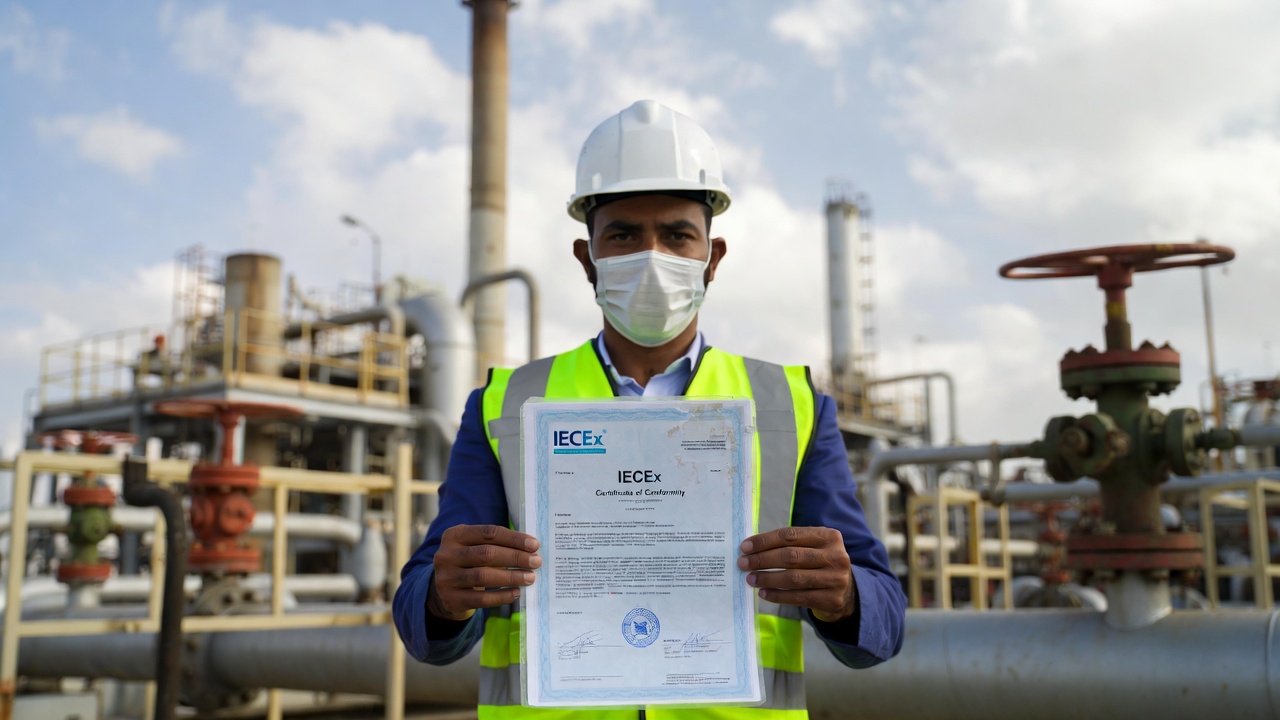
The certification comes as a CoPC (Certificate of Personnel Competence) issued through the IECEx system, which operates under international standards managed by the International Electrotechnical Commission. When you hold an IECEx certification, employers worldwide know you can install, maintain, inspect, or work around equipment in areas where flammable gases, vapors, or combustible dust might ignite.
Think of it this way: if you work in oil refineries, petrochemical plants, gas processing facilities, offshore platforms, or pharmaceutical manufacturing—anywhere explosive atmospheres exist—IECEx proves you won’t accidentally cause an explosion through improper work practices.
What is IECEx Certification?
The Basic Definition
IECEx stands for International Electrotechnical Commission System for Certification to Standards Relating to Equipment for Use in Explosive Atmospheres. Beyond this mouthful of a name, it’s essentially a passport for working in hazardous areas globally.
The system certifies both equipment (proving devices are safe for explosive environments) and people (proving individuals are competent to work with such equipment). When someone asks if you have IECEx, they’re specifically asking about personnel certification—your CoPC.
How the Certification System Works
Unlike typical safety training where attendance equals certification, IECEx requires you to pass rigorous assessments. You complete theoretical examinations testing your understanding of explosion protection principles, hazardous area classification, equipment types, and relevant standards. Then comes the practical assessment where an independent examiner watches you perform real tasks on actual equipment.
You might install cable glands on flameproof enclosures, inspect equipment for compliance, identify protection methods, or troubleshoot hazardous area installations. The assessor evaluates whether you truly know what you’re doing or just memorized procedures without understanding.
Only after demonstrating both knowledge and practical competence do you receive your certificate. This makes IECEx far more credible than “participation certificates” from basic safety courses.
Different IECEx Units Explained
The certification comes in different units matching specific job roles:
- Ex 00: Basic awareness for people working near hazardous areas
- Ex 01: Installation of equipment and wiring systems
- Ex 02: Maintenance and repair of equipment
- Ex 03: Detailed inspection and overhaul
Most electrical technicians need Ex 01 or Ex 02. Instrumentation engineers typically require Ex 02. Inspection specialists pursue Ex 03. Your job responsibilities determine which unit you need.
Who Issues These Certificates?
IECEx certificates come from accredited certification bodies authorized by the IECEx system. These independent organizations assess candidates, verify competence, and issue certificates that link to a central international database. Anyone can verify your certificate’s authenticity online using your unique certificate number.
This verification system prevents fraud and gives employers confidence that your credential is legitimate, not purchased from a diploma mill.
Why IECEx Certification Matters
The Safety Imperative
Explosive atmospheres don’t forgive mistakes. One improperly installed cable gland, one inspection shortcut, one misunderstanding about equipment limitations—any of these can trigger explosions killing people and destroying facilities worth millions.
I’ve seen projects where contractors showed up confident in their electrical experience, only to be rejected at the gate because they couldn’t demonstrate proper hazardous area competence. Experience alone doesn’t prove you understand explosion protection principles specific to classified zones.
IECEx certification exists because the stakes are too high to assume competence. It protects you, your colleagues, the facility, and the company from catastrophic incidents that destroy lives and careers.
Employment Requirements in UAE and KSA
Major operators across the Gulf region now mandate IECEx for personnel working in hazardous areas. Saudi Aramco specifies it in contractor requirements. ADNOC includes it in vendor qualification criteria. Sabic, Qatar Petroleum, and other major players follow similar policies.
Without valid certification, you simply won’t get site access regardless of your experience level. Project managers can’t override this requirement—it’s written into HSE management systems and contractual obligations.
For professionals working in UAE and KSA, IECEx certification in UAE has become as essential as having a valid passport for international travel. You need it to access the jobs.
Career and Financial Benefits
Beyond mandatory requirements, IECEx certification significantly impacts your earning potential. Certified technicians command higher day rates than uncertified counterparts. Employers pay premium rates for verified competence because it reduces project risks and insurance costs.
The certification also improves career mobility. With IECEx, you can work in multiple countries without needing different regional certifications for each location. One credential opens doors globally.
Client and Regulatory Confidence
When clients audit project teams, they check personnel certifications as a key control measure. Having IECEx-certified teams demonstrates robust safety management and professional standards. This builds client confidence and improves your company’s reputation.
Regulatory inspectors similarly view IECEx as evidence of due diligence in managing explosion risks. During investigations after incidents, authorities examine whether personnel held appropriate qualifications. The certification provides documented proof of competence that protects both individuals and employers.
How IECEx Certification Works
The Assessment Process
Getting certified involves several stages. First, you undergo training covering hazardous area fundamentals, explosion protection methods, equipment types, installation practices, inspection procedures, and relevant IEC standards. Training duration varies from 3-5 days depending on the unit level.
After training comes the written examination testing theoretical knowledge. You answer questions about area classification, equipment selection, protection concepts, maintenance requirements, and regulatory standards. The exam isn’t easy—it requires genuine understanding, not memorization.
Next comes the practical assessment. An independent assessor presents real equipment and scenarios. You might need to install various cable gland types, inspect equipment for compliance defects, identify marking information, or explain why certain practices are safe or unsafe.
The assessor watches your technique, asks questions about your reasoning, and evaluates whether you can apply knowledge to solve actual problems. This practical component separates IECEx from paper qualifications that test only theory.
Where to Get Certified
Training centers in Dubai, Abu Dhabi, Dammam, Riyadh, and other Gulf cities offer IECEx courses through accredited providers. These centers maintain proper equipment, qualified instructors, and connections to certification bodies for arranging assessments.
When selecting a training provider, verify they’re recognized by an accredited certification body. Some organizations offer “IECEx training” but can’t actually arrange legitimate assessments and certificates. Check credentials carefully to avoid wasting time and money on invalid programs.
Timeline and Validity
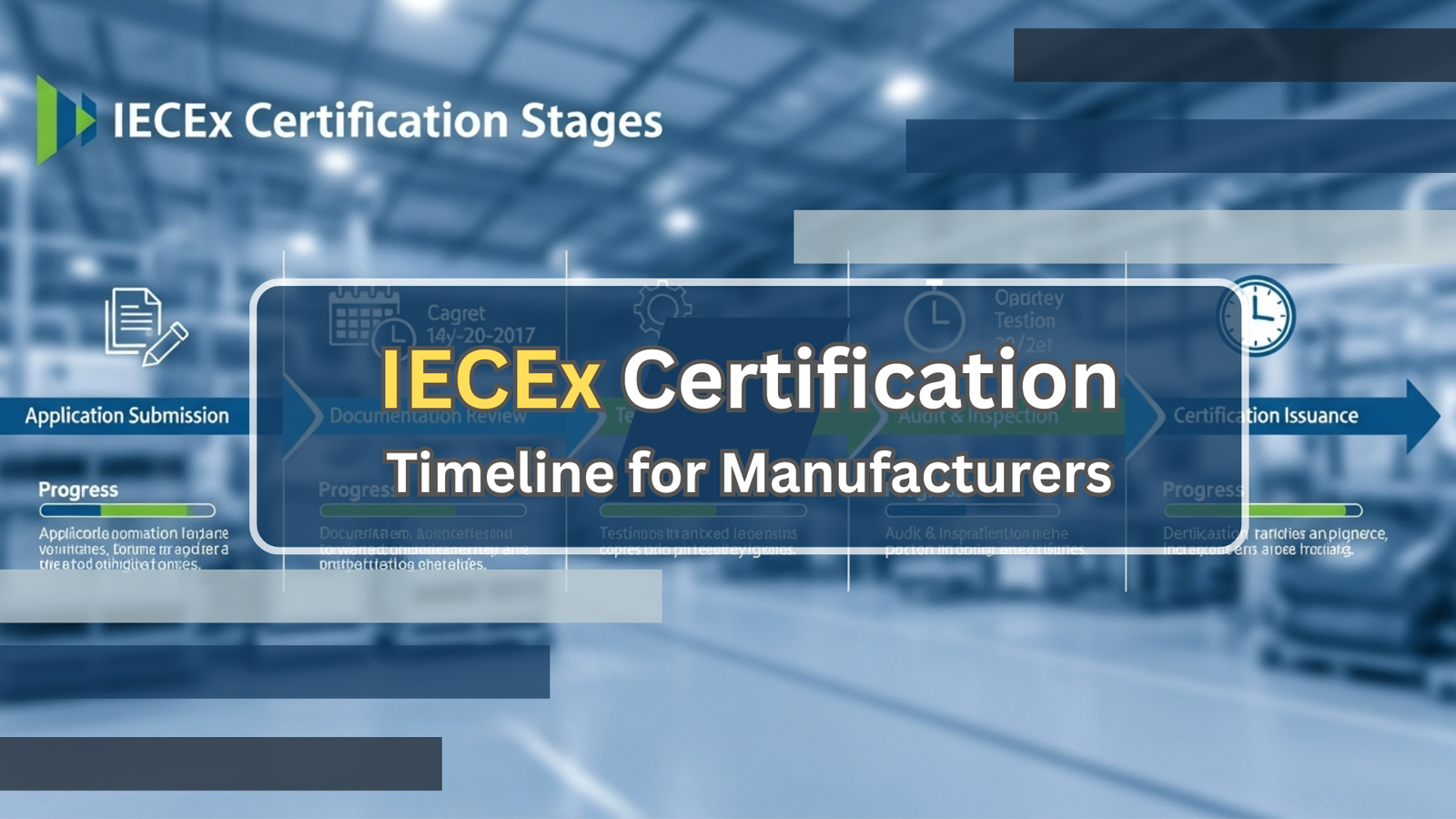
From registration to receiving your certificate typically takes 4-6 weeks. Training runs 3-5 days, exams happen immediately after, results come within a week, and official certificate processing takes another 2-3 weeks.
Once issued, your IECEx certificate remains valid for three years. Before expiration, you must demonstrate continued competence through refresher training, workplace evidence, or re-assessment depending on certification body requirements.
Mark your calendar with the expiry date. Many professionals have lost job opportunities because they let certificates lapse without realizing it.
Cost Considerations
Certification costs in UAE and KSA typically range from AED 3,500 to AED 6,000 (approximately SAR 3,600 to SAR 6,200) depending on the training provider, unit level, and included services. This covers training, materials, equipment use, examination fees, and initial certificate processing.
While this might seem expensive, consider it an investment in your career. The certification often pays for itself within weeks through higher contractor rates or access to jobs you couldn’t bid on without it.
Some employers reimburse certification costs or provide training as part of professional development programs. Ask before paying out of pocket.
Regulation and Standards Framework
IEC Standards Foundation
IECEx builds on the IEC 60079 series of international standards governing equipment and installations in explosive atmospheres. These standards define everything from how equipment should be designed to how it must be installed, maintained, and inspected.
The standards aren’t just guidelines—they’re technical specifications with precise requirements. IECEx certification proves you understand and can apply these standards correctly in real-world situations.
International Recognition
One of IECEx’s major advantages is global acceptance. The system operates in 38 member countries across every continent. A certificate issued in the UAE works in Norway, Australia, Brazil, or Malaysia without additional regional certifications.
This international standardization eliminates the confusion of multiple regional schemes. Instead of needing different certifications for different countries, IECEx provides one credential recognized everywhere.
Regional Requirements in Gulf States
UAE and Saudi Arabia have fully adopted IECEx as the preferred competence certification for hazardous area work. While older regional schemes still exist, industry momentum clearly favors IECEx for its international recognition and rigorous assessment standards.
Government regulations in both countries increasingly reference IEC standards and encourage internationally recognized certifications. This regulatory alignment makes IECEx the safe choice for long-term career planning in the Gulf region.
UAE and KSA Context
Why These Markets Demand IECEx
The Gulf region hosts some of the world’s largest oil, gas, and petrochemical facilities. UAE produces approximately 3 million barrels of oil daily, while Saudi Arabia exceeds 10 million barrels. These operations create massive employment for engineers and technicians working in explosive atmospheres.
With such scale comes heightened safety focus. A single incident at a major facility can have regional economic consequences. Operators demand proven competence, not just experience claims, from every person entering hazardous areas.
Projects worth billions of dollars simply cannot afford the delays, costs, and reputation damage that safety incidents create. IECEx certification provides the assurance operators need that personnel can work safely.
Specific Operator Requirements
Saudi Aramco’s contractor qualification system specifically lists IECEx in personnel requirements for electrical and instrumentation work in hazardous areas. ADNOC maintains similar specifications across its operating companies and development projects.
Smaller operators and EPC contractors working on Gulf projects follow these leaders’ requirements. The certification has become industry standard rather than a competitive differentiator.
Even maintenance contracts at existing facilities now specify IECEx. The days of relying solely on experience letters are ending—formal competence certification is now mandatory.
Training Infrastructure in the Region
Both UAE and KSA have developed robust training infrastructure to meet demand. Dubai and Abu Dhabi host multiple accredited training centers with proper equipment and qualified instructors. Saudi Arabia has centers in Dammam, Riyadh, and Jubail serving the Kingdom’s industrial corridors.
This local availability means you don’t need to travel internationally for certification. The training happens in your region, often with instructors who understand local project requirements and can provide relevant examples from Gulf facilities.
Weekend and flexible scheduling options accommodate working professionals who can’t take extended time off. The infrastructure supports both individual certifications and corporate group training programs.
Key Takeaway
IECEx certification is your verified proof of competence for working safely in explosive atmospheres. It’s not optional for serious professionals in UAE and Saudi Arabia’s oil, gas, and petrochemical sectors—it’s mandatory for site access and career advancement. The certification demonstrates you possess both theoretical knowledge and practical skills to install, maintain, or inspect electrical equipment where one mistake could trigger catastrophic explosions.
Getting certified requires passing rigorous theoretical and practical assessments, but the investment pays immediate dividends through better job opportunities, higher pay rates, and international career mobility. In Gulf markets where major operators demand IECEx for hazardous area work, this credential separates employed professionals from those watching opportunities pass by.
Ready to Get Certified?
If you’re working in UAE or Saudi Arabia’s industrial sectors, don’t wait until a job opportunity slips away because you lack IECEx certification. Extrainings offers comprehensive IECEx training and assessment preparation in Dubai and Abu Dhabi, helping professionals like you gain the credentials Gulf operators demand.
Our hands-on courses focus on practical skills with real equipment, not just theory. You’ll practice cable gland installation, equipment inspection, and hazardous area procedures under expert guidance. Contact Extrainings today to schedule your IECEx certification training and take control of your career advancement in the Middle East’s booming energy sector.