Introduction: Why IECEx Certification Matters in 2025
An oil rig in the Arabian Gulf operates 24/7, processing thousands of barrels daily. One faulty electrical connection in this explosive atmosphere could trigger a catastrophe affecting workers, equipment, and the environment. This isn’t just a safety concern—it’s the reality that makes IECEx certification absolutely critical in the Middle East’s thriving industrial sector.
If you’re working in the UAE, Saudi Arabia, or anywhere across the GCC region, you’ve probably heard about IECEx certification. But what exactly is it? Why does every engineer, safety officer, and facility manager in hazardous industries need to understand it? And most importantly, how can you ensure your personnel and operations meet these global standards?
The stakes have never been higher. With the GCC’s oil and gas sector accounting for a significant portion of global energy production and the chemical industries rapidly expanding, compliance with international explosion-proof standards isn’t optional—it’s essential. Whether you’re an electrical equipment supplier, a maintenance engineer, or a safety compliance officer, this comprehensive guide will walk you through everything you need to know about IECEx certification in 2025.
Did You Know? The IECEx system has grown from less than a dozen member countries in 1996 to now comprising more than 60 approved certification bodies across 35+ countries, making it the truly global standard for explosive atmosphere safety.
In this guide, we’ll break down the complex world of IECEx certification into simple, actionable insights. You’ll discover what IECEx covers, how it connects to IEC 60079 standards, the certification process for personnel competency, and why this matters for your career and business operations in the Middle East.
Understanding IECEx Certification: The Foundation of Hazardous Area Safety
What is IECEx Certification?
IECEx stands for the International Electrotechnical Commission System for Certification to Standards Relating to Equipment for Use in Explosive Atmospheres. Yes, that’s a mouthful! Simply put, it’s the international certification system that ensures electrical and mechanical equipment used in potentially explosive environments meets rigorous safety standards.
Established in 1996, the IECEx system provides a globally recognized framework for certifying equipment, service facilities, and most importantly for professionals in the GCC region—personnel competency. The system operates on a foundation of international cooperation, with member countries accepting each other’s certifications, drastically reducing the need for multiple country-specific approvals.
Pro Tip: Unlike product certification schemes, IECEx Personnel Competency (CoPC) focuses on certifying individuals who work in hazardous areas. This means your personal certification travels with you throughout your career, regardless of which company you work for in the GCC region.
What Does IECEx Certification Cover?
The IECEx system encompasses four main certification schemes:
- IECEx Certified Equipment Scheme (02 Scheme) – Covers electrical equipment designed for explosive atmospheres
- IECEx Certified Service Facilities Scheme (03 Scheme) – For facilities that repair and maintain explosion-protected equipment
- IECEx Conformity Mark Licensing System (04 Scheme) – Allows manufacturers to apply the distinctive IECEx conformity mark
- IECEx Certificate of Personnel Competence (05 Scheme) – Certifies individual competency for working in hazardous areas
For professionals in the UAE and GCC, the Certificate of Personnel Competence (CoPC) is particularly relevant. This internationally recognized certification validates your knowledge and skills for working in hazardous environments through both written and practical assessments.
Note: Training providers like Extrainings in the UAE, Saudi Arabia, Qatar, and Oman specialize in personnel competency training and certification, helping professionals across the GCC achieve IECEx CoPC certification.
The Link Between IECEx and IEC 60079 Standards
At the heart of IECEx certification lies the IEC 60079 standard series—the comprehensive international standards governing equipment and protective systems intended for use in explosive atmospheres. Think of IEC 60079 as the technical rulebook, while IECEx is the certification system that proves compliance with those rules.
The IEC 60079 series includes multiple parts, each addressing specific aspects of explosion protection:
- IEC 60079-0: General requirements for explosion-protected equipment
- IEC 60079-1: Flameproof enclosures (“d” protection)
- IEC 60079-2: Pressurized enclosures (“p” protection)
- IEC 60079-7: Increased safety (“e” protection)
- IEC 60079-11: Intrinsic safety (“i” protection)
- IEC 60079-19: Equipment repair, overhaul, and reclamation
- IEC 60079-31: Dust ignition protection by enclosure (“t” protection)
Understanding these standards is crucial because they define how equipment must be designed, manufactured, installed, and maintained in explosive atmospheres. When you pursue IECEx certification training through providers like Extrainings, you’ll gain in-depth knowledge of these standards and their practical application.
Why IECEx Certification Matters: Benefits for the GCC Region
Global Market Access and Trade Facilitation
One of the most compelling reasons to pursue IECEx certification is the unparalleled global market access it provides. Before IECEx, manufacturers and professionals faced a nightmare scenario: equipment and qualifications had to be re-tested and re-certified for each country, creating massive delays and costs.
The IECEx system changes this game entirely. A single IECEx certificate is recognized across member countries, including major markets like Australia, Brazil, Canada, India, Japan, South Korea, and throughout the Middle East. For businesses operating in the UAE, Saudi Arabia, Qatar, and other GCC nations, this means:
- Reduced certification costs – No need for multiple country-specific approvals
- Faster market entry – Streamlined approval processes save weeks or months
- Enhanced credibility – International recognition builds trust with clients and regulators
- Competitive advantage – IECEx-certified personnel command premium positions in the job market
Did You Know? Many GCC countries now prefer or require IECEx certification for equipment and personnel working in hazardous areas, making it effectively mandatory for serious players in oil and gas, petrochemicals, and mining sectors.
Enhanced Safety and Compliance Standards
Safety isn’t just a regulatory checkbox—it’s about protecting lives, assets, and the environment. The GCC region hosts some of the world’s most demanding industrial environments, from offshore oil platforms to massive petrochemical complexes. In these settings, even minor oversights can have catastrophic consequences.
IECEx certification ensures that:
- Personnel competency is verified – Workers possess proven knowledge and practical skills
- Equipment meets international standards – Reduces the risk of ignition sources in explosive atmospheres
- Consistent safety practices – Standardized approaches across different facilities and countries
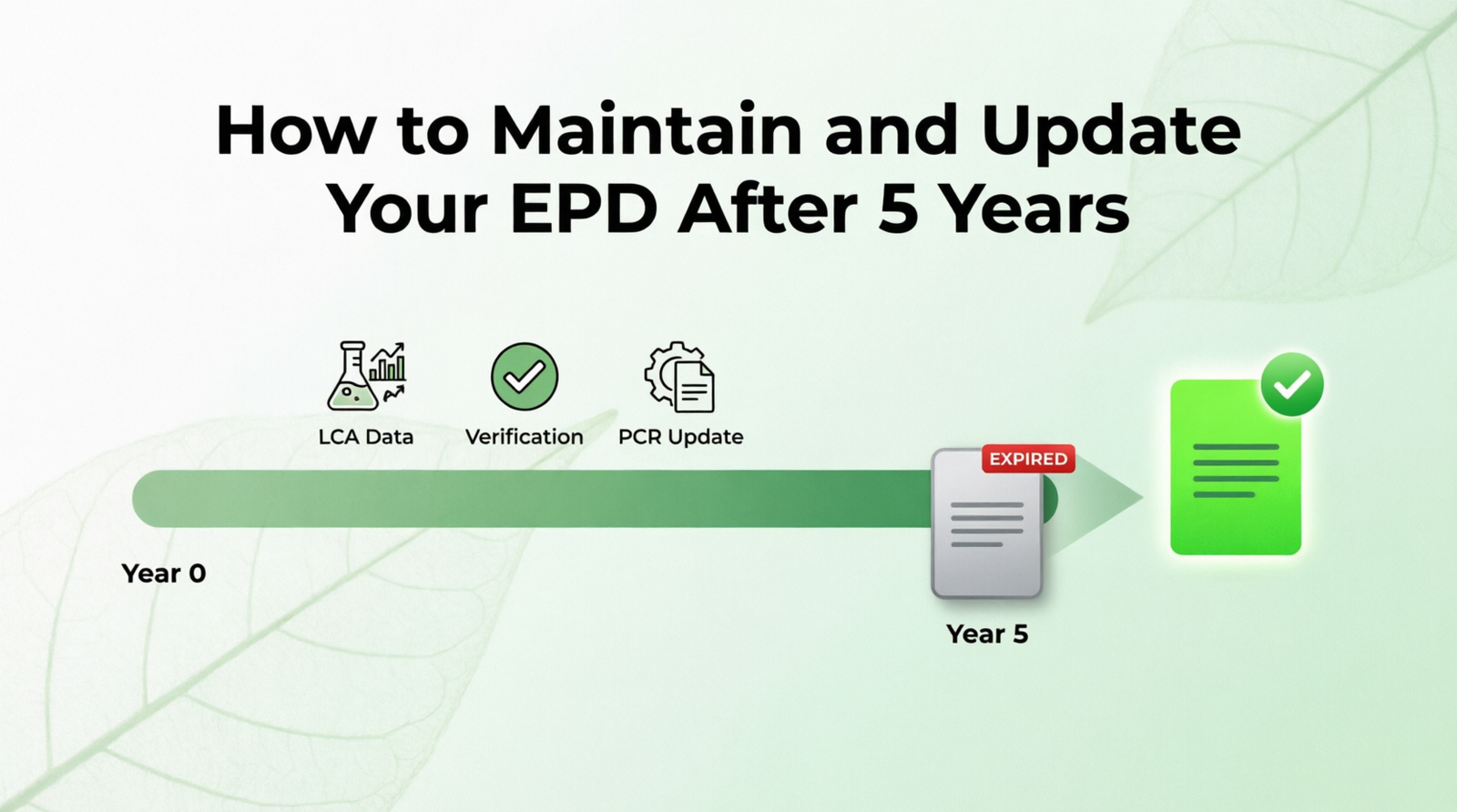
- Regular updates and refreshers – Certifications typically require renewal every 5 years, keeping knowledge current
Organizations like Extrainings provide multi-level personnel competency training courses covering selection, installation, inspection, and maintenance of explosion-protected equipment, ensuring comprehensive understanding across all operational aspects.
Career Advancement and Professional Recognition
For individual professionals, IECEx certification represents a significant career accelerator. In the competitive GCC job market, where oil and gas, mining, and chemical industries are major employers, IECEx CoPC certification sets you apart from the crowd.
Benefits for certified professionals include:
- Higher salary potential and better job opportunities
- International mobility within IECEx member countries
- Recognition by employers as a competent, safety-conscious professional
- Reduced liability concerns for employers hiring certified personnel
- Access to more complex and higher-paying projects
- Professional credibility verified through the global IECEx database
Pro Tip: Your IECEx Certificate of Personnel Competence includes photo identification and can be verified by anyone through the official IECEx website at www.iecex-certs.com, giving employers instant confidence in your qualifications.
How IECEx Certification Works: Understanding the Process
What is the IECEx Certificate of Personnel Competence (CoPC)?
The IECEx Certificate of Personnel Competence (CoPC) is an internationally recognized credential that proves an individual possesses the required knowledge and skills to work safely in explosive atmospheres or in roles that affect hazardous area safety. Unlike traditional training certificates, the CoPC is issued only after successfully completing both theoretical and practical assessments.
The certification process is designed to:
- Assess theoretical understanding through written examinations
- Evaluate practical skills through hands-on hardware examinations
- Verify competency against specific Units of Competence
- Provide employers with confidence in personnel capabilities
- Create a globally searchable database of certified individuals
Note: Experienced candidates can directly take up the IECEx CoPC assessment without mandatory training. However, most professionals benefit significantly from structured training programs offered by Recognized Training Providers (RTPs) like Extrainings.
IECEx Units of Competence Explained
The IECEx CoPC scheme is built around “Units of Competence” (Ex Units), each targeting specific roles and responsibilities in hazardous area work. Understanding these units helps you identify which certifications are relevant to your job function.
Core IECEx Units include:
Ex 000 – Introduction to Explosive Atmospheres
- Basic understanding of explosive atmospheres
- Hazardous area classification principles
- Introduction to protection concepts
- Ideal for: Entry-level personnel, supervisors, project managers
Ex 001 – Electrical Equipment Installation, Inspection, and Maintenance in Explosive Gas Atmospheres
- Detailed knowledge of gas atmosphere protection methods
- Installation and inspection techniques
- Maintenance procedures for Ex equipment
- Ideal for: Electrical technicians, maintenance engineers
Ex 002 – Electrical Equipment Installation, Inspection, and Maintenance in Explosive Dust Atmospheres
- Dust explosion hazards and protection methods
- Equipment selection for dusty environments
- Maintenance of dust-protected equipment
- Ideal for: Personnel working in grain, chemical, pharmaceutical industries
Ex 003 – Detailed Inspection, Testing, Repair, and Overhaul
- In-depth equipment inspection procedures
- Testing methodologies and acceptance criteria
- Repair and overhaul requirements per IEC 60079-19
- Requires: Practical examination on hardware
- Ideal for: Senior technicians, workshop personnel
Ex 004 – Installation Design for Explosive Gas Atmospheres
- Design principles for hazardous area installations
- Cable selection, routing, and termination
- Earthing and bonding requirements
- Requires: Practical examination on hardware
- Ideal for: Design engineers, project engineers
Ex 005 – Design of Electrical Apparatus for Explosive Gas Atmospheres
- Equipment design fundamentals
- Protection concept selection and implementation
- Compliance with IEC standards
- Ideal for: Equipment designers, R&D engineers
Ex 006 – Equipment Repair Facility Management
- Management of IEC 60079-19 repair facilities
- Quality assurance and documentation
- Personnel supervision requirements
- Requires: Practical examination on hardware
- Ideal for: Workshop managers, quality managers
Ex 007 – Intrinsic Safety Installation and Inspection
- Intrinsic safety principles and limitations
- Installation practices for IS systems
- Verification and documentation
- Requires: Practical examination on hardware
- Ideal for: Instrumentation technicians, I&E engineers
Ex 008 – Visual Inspection
- Systematic visual inspection techniques
- Defect identification and reporting
- Inspection documentation
- Requires: Practical examination on hardware
- Ideal for: Inspectors, maintenance supervisors
Ex 009 – Hazardous Area Classification
- Area classification methodology
- Documentation and drawing preparation
- Ventilation considerations
- Ideal for: Process engineers, safety officers, facility managers
Checklist: Choosing Your IECEx Units
- ☐ Identify your current job responsibilities
- ☐ Determine which equipment types you work with (gas/dust)
- ☐ Assess whether you perform design, installation, or maintenance
- ☐ Check employer requirements or industry standards in your sector
- ☐ Consider career progression and future role aspirations
- ☐ Verify practical examination availability in your region (UAE, KSA, Qatar, Oman)
The IECEx Certification Process Step-by-Step
Step 1: Identify Required Units Determine which Units of Competence align with your job role and career goals. Consult with your employer or training provider for guidance.
Step 2: Training Preparation (Optional but Recommended) While training isn’t mandatory, structured courses significantly improve success rates. Extrainings offers multi-level personnel competency training courses specifically designed for IECEx CoPC preparation, with classes available on weekends, evenings, and during holidays across the GCC region.
Step 3: Application and Registration Apply through an IECEx Certification Body (ExCB) approved for the CoPC scheme. The application includes submitting evidence of your work experience and relevant qualifications.
Step 4: Written Examination All units require written examinations testing your theoretical understanding of:
- Explosive atmosphere fundamentals
- Protection concepts and techniques
- Relevant IEC standards
- Installation and maintenance procedures
- Safety requirements and best practices
Written examinations can be conducted at various locations with flexibility in scheduling.
Step 5: Practical Examination (Units Ex 003-008) For advanced units, practical examinations are conducted on actual hardware to verify hands-on competency. These examinations are currently held at examination centers in:
- United Arab Emirates (Dubai, Abu Dhabi)
- Saudi Arabia (Riyadh, Dammam)
- Qatar (Doha)
- Oman (Muscat)
Step 6: Certification Issuance Upon successful completion of all requirements, the IECEx Certificate of Personnel Competence is issued, including:
- Photo identification of the certificate holder
- Specific units of competence achieved
- Validity period (typically 5 years)
- Unique certificate number verifiable online
Step 7: Maintenance and Renewal Certificates typically require renewal every 5 years to ensure knowledge remains current with evolving standards and technologies. Renewal may involve re-examination or evidence of continued professional development.
Who Needs IECEx Certification: Target Roles and Industries
Industries Requiring IECEx Certification in the GCC
The Gulf Cooperation Council nations host some of the world’s most critical hazardous area industries. Understanding which sectors require IECEx certification helps professionals target their career development effectively.
Oil and Gas Sector
- Upstream operations (exploration, drilling, production)
- Midstream facilities (pipelines, storage, transportation)
- Downstream operations (refineries, distribution)
- Offshore platforms and FPSO vessels
- Onshore processing facilities
Petrochemical and Chemical Industries
- Chemical manufacturing plants
- Polymer production facilities
- Fertilizer manufacturing
- Specialty chemical production
- Chemical storage and distribution
Mining and Mineral Processing
- Underground mining operations
- Surface mining with dust hazards
- Ore processing facilities
- Coal handling and preparation
- Mineral refineries
Energy and Utilities
- Power generation facilities using fossil fuels
- Combined cycle power plants
- Cogeneration facilities
- Waste-to-energy plants
- Hydrogen production and storage
Pharmaceutical and Food Processing
- Drug manufacturing facilities (solvent handling)
- Grain handling and milling
- Sugar processing
- Pharmaceutical ingredient production
- Powder handling operations
Did You Know? The UAE alone hosts over 60 major petrochemical facilities and hundreds of oil and gas installations, creating constant demand for IECEx-certified professionals.
Key Job Roles Requiring IECEx Certification
Electrical Engineers and Technicians
- Installation of explosion-protected electrical equipment
- Maintenance and troubleshooting of Ex systems
- Electrical design for hazardous areas
- Commissioning of electrical installations
- Relevant units: Ex 001, Ex 003, Ex 004, Ex 007
Instrumentation and Control Engineers
- Installation of intrinsically safe instruments
- Maintenance of control systems in hazardous areas
- Calibration of Ex-protected instruments
- Safety instrumented systems (SIS) work
- Relevant units: Ex 001, Ex 007, Ex 003
Maintenance Supervisors and Managers
- Oversight of maintenance activities in hazardous areas
- Ensuring compliance with IEC standards
- Managing inspection programs
- Approving work permits for hazardous zones
- Relevant units: Ex 000, Ex 001, Ex 008
Safety and Compliance Officers
- Hazardous area classification and documentation
- Safety audits and inspections
- Regulatory compliance management
- Risk assessment and mitigation
- Relevant units: Ex 000, Ex 009, Ex 008
Design Engineers
- Electrical system design for explosive atmospheres
- Equipment selection and specification
- Protection concept selection
- Documentation and drawings
- Relevant units: Ex 004, Ex 005, Ex 009
Inspection and Quality Personnel
- Visual inspection of Ex equipment
- Detailed inspection and testing
- Quality assurance for repairs
- Documentation and reporting
- Relevant units: Ex 003, Ex 006, Ex 008
Facility Managers
- Overall responsibility for hazardous area safety
- Resource allocation for compliance
- Coordination with regulatory authorities
- Emergency response planning
- Relevant units: Ex 000, Ex 009
Training and Competency Assessors
- Delivering IECEx training programs
- Assessing candidate competency
- Maintaining training standards
- Keeping current with standard updates
- Must work for: IECEx Recognized Training Providers like Extrainings
Difference Between IECEx and Other Certification Schemes
IECEx vs. ATEX: Understanding the Key Differences
One of the most common questions professionals ask is: “What’s the difference between IECEx and ATEX?” While both schemes address explosive atmosphere safety, they differ in scope, application, and geographic reach.
Geographic Scope
- IECEx: Global system with 35+ member countries worldwide
- ATEX: European Union directive (ATEX 2014/34/EU for equipment, ATEX 1999/92/EC for workplace)
Regulatory Nature
- IECEx: Voluntary international certification system
- ATEX: Mandatory legal requirement for equipment placed on the EU market
Standards Base
- IECEx: Based on IEC 60079 and IEC 80079 standards series
- ATEX: Based on EN 60079 standards (harmonized with IEC standards)
Certification Bodies
- IECEx: Approved ExCBs (Ex Certification Bodies) – 60+ globally
- ATEX: Notified Bodies designated by EU member states
Certificate Recognition
- IECEx: Accepted directly in many countries; supports local certification in others
- ATEX: Required for EU market; not automatically recognized outside Europe
Market Application
- IECEx: Ideal for global market access, especially Asia, Middle East, Oceania
- ATEX: Essential for European market access
Pro Tip: Many manufacturers pursue both IECEx and ATEX certification simultaneously, as the technical requirements are nearly identical. Products can often be assessed for both schemes in a single evaluation process.
For GCC professionals, IECEx certification is generally more relevant than ATEX, given the region’s strong industrial ties with Asia, Australia, and non-European markets. However, companies serving European clients may require familiarity with both systems.
IECEx vs. CompEx: Different but Complementary
Another certification scheme you’ll frequently encounter in the GCC region is CompEx (Competency in Explosive Atmospheres). Understanding the relationship between IECEx and CompEx helps clarify your certification pathway.
Origin and Governance
- IECEx: International system governed by the IEC
- CompEx: UK-originated scheme managed by the Competency Management System Committee
Geographic Recognition
- IECEx: Global recognition through international agreement
- CompEx: Primarily recognized in UK, Commonwealth countries, and companies with British connections
Standard Base
- IECEx: Strictly based on IEC standards
- CompEx: Based on both UK and international standards
Assessment Structure
- IECEx: Formal examination through approved ExCBs with international database
- CompEx: Examination through approved centers with UK-centric database
Certificate Portability
- IECEx: Certificate verifiable globally through www.iecex-certs.com
- CompEx: Certificate primarily recognized in UK-influenced markets
Cost Considerations
- IECEx: Generally higher cost due to international administration
- CompEx: Typically lower cost, especially in UK and select regions
Which Should You Choose?
For professionals working in the UAE, Saudi Arabia, Qatar, Oman, and broader GCC region, the answer depends on your employer and client base:
- Choose IECEx if: You work for international companies, need global recognition, or plan to work across multiple countries
- Choose CompEx if: You work for British companies, UK contractors, or in markets with strong UK industrial presence
- Consider both if: Your career involves diverse clients or you want maximum flexibility
Note: Many training providers, including Extrainings, offer both IECEx and CompEx training and certification services, allowing professionals to obtain both credentials efficiently.
What is Hazardous Area Zone Classification?
Understanding Zone Classification Systems
Zone classification is fundamental to understanding where and how explosion-protected equipment must be used. It’s the systematic method of dividing areas into zones based on the likelihood and duration of explosive atmospheres being present.
For Gas and Vapor Hazards (IEC/IECEx System):
Zone 0
- Explosive atmosphere is present continuously or for long periods
- Highest risk classification
- Examples: Inside storage tanks, inside process vessels containing flammable liquids or gases
- Equipment requirements: Very Limited Protection Concept (EPL Ga)
Zone 1
- Explosive atmosphere is likely to occur in normal operation occasionally
- Medium-high risk classification
- Examples: Areas immediately surrounding Zone 0, filling and emptying points, areas near vents
- Equipment requirements: Enhanced Protection Concept (EPL Gb)
Zone 2
- Explosive atmosphere not likely to occur in normal operation; if it occurs, will exist only for a short period
- Lower risk classification
- Examples: Areas adjacent to Zone 1, areas where explosive atmosphere can only exist due to abnormal conditions
- Equipment requirements: Protection Suitable for Zone 2 (EPL Gc)
For Combustible Dust Hazards:
Zone 20
- Combustible dust cloud present continuously or for long periods
- Highest dust risk
- Examples: Inside dust collectors, inside cyclones, inside silos during filling
- Equipment requirements: EPL Da
Zone 21
- Combustible dust cloud likely to occur occasionally in normal operation
- Medium dust risk
- Examples: Areas near dust transfer points, packing stations, areas adjacent to Zone 20
- Equipment requirements: EPL Db
Zone 22
- Combustible dust cloud unlikely in normal operation; if it occurs, will persist only briefly
- Lower dust risk
- Examples: Areas surrounding Zone 21, storage areas for bags containing combustible dust
- Equipment requirements: EPL Dc
Did You Know? Hazardous area classification (Unit Ex 009) is one of the most valuable IECEx certifications for career advancement, as it’s required by process engineers, safety officers, and facility designers—typically higher-level positions.
Temperature Classification and Gas Groups
Beyond zones, equipment must also be suitable for the gas group and temperature class of the specific hazardous substance present.
Gas Groups (IEC System):
- Group I: Mining applications (methane and coal dust)
- Group II: Surface industries (subdivided into IIA, IIB, IIC based on ignition properties)
- IIA: Propane, petrol vapour (easiest to protect against)
- IIB: Ethylene (intermediate properties)
- IIC: Hydrogen, acetylene (most difficult to protect against, requires highest protection)
Temperature Classes: Equipment must not exceed surface temperatures that could ignite the surrounding atmosphere:
- T1: Maximum surface temperature 450°C
- T2: Maximum surface temperature 300°C
- T3: Maximum surface temperature 200°C
- T4: Maximum surface temperature 135°C
- T5: Maximum surface temperature 100°C
- T6: Maximum surface temperature 85°C
Example: Equipment marked “Ex d IIC T6 Gb” means:
- Ex = Explosion-protected
- d = Flameproof enclosure protection
- IIC = Suitable for the most hazardous gases (hydrogen, acetylene)
- T6 = Maximum surface temperature 85°C
- Gb = Equipment Protection Level for Zone 1
Understanding these classifications is essential for anyone working with explosion-protected equipment. Training programs offered by Extrainings cover zone classification comprehensively, ensuring professionals can correctly specify, select, and install equipment for their specific hazardous environments.
How to Get IECEx Certification in the UAE and GCC Region
Finding Approved Training Providers
The first step toward IECEx CoPC certification is connecting with an IECEx Recognized Training Provider (RTP). These are organizations that have met the IECEx stringent requirements for delivering quality training aligned with international standards.
What to Look for in a Training Provider:
- IECEx RTP Status: Verify the provider is officially recognized at www.iecex.com
- Geographic Convenience: Look for training centers in UAE, Saudi Arabia, Qatar, or Oman
- Flexible Scheduling: Weekend, evening, and holiday batches to accommodate working professionals
- Experienced Instructors: Trainers with real-world hazardous area experience
- Practical Facilities: Access to actual Ex equipment for hands-on learning
- Examination Center Status: Some providers also operate as examination centers, streamlining the process
- Track Record: Success rates and reputation in the industry
Extrainings, operating across the GCC region with centers in Dubai, Abu Dhabi, Riyadh, Dammam, Doha, and Muscat, is a recognized training provider offering comprehensive IECEx CoPC preparation courses. Their multi-level training programs cover all aspects of explosion-protected equipment selection, installation, inspection, and maintenance.
Pro Tip: Extrainings conducts classes on weekends, during evening batches, and special sessions during longer holidays in the Middle East, making it easier for working professionals to pursue certification without career disruption.
IECEx Training Costs and Duration
Understanding the investment required helps you plan your certification journey effectively.
Training Duration:
- Foundation Level (Ex 000): 2-3 days
- Intermediate Level (Ex 001, Ex 002): 3-5 days
- Advanced Level (Ex 003-009): 4-7 days depending on complexity
- Combined Programs: 7-14 days for multiple units
Cost Considerations: IECEx certification costs in the UAE and GCC typically include:
- Training course fees
- Examination fees (written and practical)
- Certification body charges
- Study materials and resources
While specific costs vary by provider and units selected, expect investment in the range appropriate for internationally recognized professional certification. Many employers sponsor certification costs as they directly benefit from having certified personnel.
Checklist: Preparing for IECEx Training
- ☐ Verify your eligibility and work experience requirements
- ☐ Obtain employer approval and sponsorship if available
- ☐ Register with an IECEx Recognized Training Provider
- ☐ Review prerequisite materials and recommended reading
- ☐ Arrange time off or flexible schedule for training and examinations
- ☐ Gather required documentation (ID, work experience certificates, qualifications)
- ☐ Plan for practical examination travel if required (different location)
- ☐ Set aside study time for examination preparation
Examination Centers in the Middle East
For units requiring practical examinations (Ex 003 through Ex 008), you’ll need to attend an approved examination center with appropriate hardware facilities.
Current Examination Centers in the GCC:
United Arab Emirates
- Dubai – Multiple centers offering both written and practical examinations
- Abu Dhabi – Practical examination facilities with comprehensive Ex equipment
Saudi Arabia
- Riyadh – Examination center serving central and northern regions
- Dammam – Convenient for Eastern Province professionals
Qatar
- Doha – Full-service examination center for all IECEx units
Oman
- Muscat – Examination center serving Oman and neighboring regions
Examination Process:
- Written Examinations: Can be scheduled at various locations with flexibility. Multiple-choice and written-answer questions testing theoretical knowledge.
- Practical Examinations: Conducted at designated centers with actual Ex equipment. Candidates demonstrate hands-on skills in:
- Equipment inspection techniques
- Fault identification
- Proper installation practices
- Testing procedures
- Documentation requirements
Note: Practical examinations are the distinguishing feature of IECEx certification, ensuring certified personnel have genuine hands-on competency, not just theoretical knowledge. This practical focus is why employers highly value IECEx CoPC certification.
Why Choose Extrainings for IECEx Training in the GCC
Comprehensive Training Programs
Extrainings has established itself as a leading training provider for IECEx certification across the GCC region. Their comprehensive approach covers all aspects of personnel competency development:
Multi-Level Training Structure:
- Foundation courses for newcomers to hazardous area work
- Intermediate programs for experienced technicians and engineers
- Advanced courses for specialists and supervisors
- Customized programs for specific industry needs
Curriculum Coverage:
- Explosive atmosphere fundamentals and science
- IEC 60079 standards comprehensive review
- Protection concepts and techniques (d, e, i, p, m, n, t, etc.)
- Installation practices and techniques
- Inspection methodologies and procedures
- Maintenance and repair protocols
- Documentation and record-keeping requirements
- Real-world case studies and problem-solving
Did You Know? Extrainings’ training courses include hands-on practical exercises with actual Ex equipment, giving students direct experience with the hardware they’ll encounter in their examinations and daily work.
Regional Presence and Accessibility
One of Extrainings’ key advantages is their extensive presence across the GCC region, making quality training accessible to professionals throughout the Middle East:
Training Locations:
- Dubai, UAE: Conveniently located in Al Karama for easy access
- Abu Dhabi, UAE: Musaffah location serving the capital region
- Riyadh, Saudi Arabia: Serving central KSA professionals
- Dammam, Saudi Arabia: Al Faisaliyah location for Eastern Province access
- Doha, Qatar: Central Doha location for Qatar-based professionals
- Muscat, Oman: Serving Oman’s industrial sector
Flexible Scheduling Options: Understanding that most IECEx candidates are working professionals, Extrainings offers:
- Weekend batches (Thursday-Friday or Friday-Saturday)
- Evening classes for part-time study
- Special intensive programs during holidays
- Customized corporate training at client facilities
This flexibility allows professionals to pursue certification without significant career disruption or extended leave from work.
Experienced Instructors and Support
Quality instruction makes the difference between merely passing examinations and truly understanding explosive atmosphere safety:
Instructor Qualifications:
- IECEx certified personnel with advanced units
- Extensive real-world experience in oil & gas, petrochemicals, and related industries
- Deep knowledge of IEC standards and their practical application
- Teaching experience with diverse student backgrounds
Student Support:
- Pre-training consultation to select appropriate units
- Study materials and resources aligned with examination requirements
- Post-training support and examination preparation guidance
- Assistance with certification body application processes
Pro Tip: Extrainings’ association with Karandikar Laboratories (one of India’s first IECEx approved Certification Bodies and Test Laboratories) provides students with insights into the certification process from both training and examination perspectives.
Frequently Asked Questions About IECEx Certification
1. What is IECEx certification and why do I need it?
IECEx certification is an internationally recognized system that certifies equipment, facilities, and personnel competency for working in explosive atmospheres. You need it because it demonstrates your verified competence to work safely in hazardous areas, significantly enhances your career prospects, and is increasingly required by employers in the oil and gas, petrochemical, mining, and chemical industries across the UAE, Saudi Arabia, and GCC region. The Certificate of Personnel Competence (CoPC) proves you have both theoretical knowledge and practical skills to handle explosion-protected equipment safely.
2. How long does it take to get IECEx certified?
The timeline varies based on the units you’re pursuing and your preparation level. Typically, foundation-level training (Ex 000) takes 2-3 days, intermediate units (Ex 001, Ex 002) require 3-5 days of training, and advanced units with practical examinations take 4-7 days. After training, you’ll need to schedule and pass written examinations (and practical examinations for certain units). From initial training to receiving your certificate, expect 4-8 weeks for straightforward units, or 8-12 weeks for units requiring practical examinations, depending on examination scheduling availability.
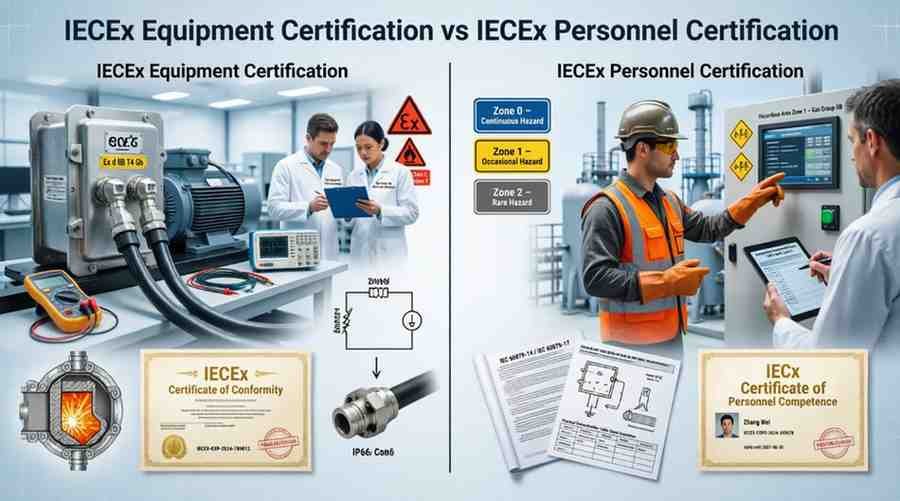
3. What is the difference between IECEx product certification and personnel certification?
IECEx product certification (Equipment Scheme) certifies that specific equipment designs meet IEC standards for use in explosive atmospheres. This is handled by manufacturers and testing laboratories. IECEx personnel certification (Certificate of Personnel Competence) certifies that individuals possess the knowledge and skills to work with explosion-protected equipment in hazardous areas.
Important note: Organizations like Extrainings provide personnel competency training and certification services, not product certification. If you need equipment certified, you must work with an IECEx-approved testing laboratory and certification body that handles the Equipment Scheme.
4. Which IECEx units should I pursue for my career?
The appropriate units depend on your job role and responsibilities:
- Ex 000: Essential for supervisors, managers, and anyone working in or near hazardous areas
- Ex 001: Electrical technicians and engineers working with gas atmosphere equipment
- Ex 002: Personnel working in industries with combustible dust hazards
- Ex 003: Senior technicians performing detailed inspections and repairs
- Ex 007: Instrumentation and control engineers working with intrinsically safe systems
- Ex 008: Inspection personnel and quality assurance staff
- Ex 009: Process engineers, safety officers, and facility designers responsible for area classification
Consult with your employer or training provider like Extrainings to identify the most relevant units for your specific situation.
5. How much does IECEx certification cost in the UAE and GCC?
IECEx certification costs vary based on the number of units you’re pursuing, the training provider, and whether practical examinations are required. Total costs typically include training fees, examination fees (both written and practical), certification body charges, and study materials. While exact costs vary, budget for an investment appropriate to internationally recognized professional certification. Many employers in the oil and gas, petrochemical, and related industries sponsor certification costs as they directly benefit from having certified personnel. Contact training providers like Extrainings directly for current pricing and potential group discounts for corporate training programs.
6. Is IECEx certification recognized in Saudi Arabia, Qatar, and other GCC countries?
Yes, absolutely. IECEx certification is recognized throughout the GCC region including the UAE, Saudi Arabia, Qatar, Oman, Bahrain, and Kuwait. Many regulatory authorities and major industrial operators in these countries now prefer or require IECEx certification for personnel working in hazardous areas. The international nature of IECEx means your certification is portable across borders—you can work in different GCC countries with the same certificate. Additionally, IECEx is recognized in over 35 member countries globally, providing career flexibility beyond the Middle East.
7. How long is IECEx certification valid, and how do I renew it?
IECEx Certificates of Personnel Competence are typically valid for 5 years from the date of issue. Before expiration, you’ll need to renew your certification to maintain its validity. Renewal requirements may include:
- Evidence of continued work experience in relevant areas
- Completion of continuing professional development (CPD) activities
- Re-examination for certain units (requirements vary by certification body)
- Updated documentation and application submission
It’s important to track your expiration date and initiate renewal processes 6-12 months in advance to ensure continuous certification. Many training providers, including Extrainings, offer refresher courses and renewal support services to help certified professionals maintain their credentials.
Conclusion: Taking the Next Step in Your IECEx Journey
The industrial landscape of the Middle East continues to evolve, with safety and compliance taking center stage in operations across the UAE, Saudi Arabia, Qatar, and the broader GCC region. IECEx certification isn’t just another credential—it’s your passport to career advancement, global recognition, and most importantly, the knowledge and skills to keep yourself and others safe in potentially hazardous environments.
Throughout this comprehensive guide, we’ve explored the multifaceted world of IECEx certification, from its foundation in IEC 60079 standards to the practical realities of obtaining your Certificate of Personnel Competence. We’ve examined the various units of competence, understood zone classification systems, and discovered how IECEx differs from other certification schemes like ATEX and CompEx.
The path forward is clear: whether you’re an electrical technician maintaining equipment on an offshore platform, an instrumentation engineer designing intrinsically safe systems, a safety officer responsible for area classification, or a facility manager overseeing hazardous area operations, IECEx certification provides the credibility and competency that modern industry demands.
Key Takeaways:
✅ IECEx is the globally recognized standard for explosive atmosphere safety, accepted in 35+ countries
✅ Personnel competency certification (CoPC) validates both theoretical knowledge and practical skills through rigorous examination
✅ The GCC region’s thriving oil and gas, petrochemical, and mining industries create constant demand for IECEx-certified professionals
✅ Multiple units of competence allow you to target certification to your specific job role and career aspirations
✅ Training providers like Extrainings offer accessible, flexible programs across the UAE, Saudi Arabia, Qatar, and Oman
✅ Investment in IECEx certification yields significant returns through enhanced career opportunities, higher earning potential, and professional recognition
Your Action Plan for IECEx Certification
Immediate Steps (This Week):
- Identify your current job responsibilities and which IECEx units align with your role
- Discuss certification goals with your employer and explore sponsorship opportunities
- Research training providers and examination centers in your region
- Review the IECEx official website (www.iecex.com) to understand the certification framework
- Connect with Extrainings or another Recognized Training Provider for consultation
Short-Term Actions (This Month):
- Register for appropriate training courses based on your needs assessment
- Obtain necessary documentation (work experience certificates, qualifications, ID)
- Begin preliminary study of IEC 60079 standards relevant to your units
- Schedule training dates that align with your work commitments
- Plan for examination dates and any required travel
Long-Term Strategy (This Year):
- Complete training for your primary units of competence
- Pass written and practical examinations to obtain CoPC certification
- Apply certified knowledge in your daily work to reinforce learning
- Consider additional units for career advancement
- Engage in continuing professional development to maintain certification
- Share your knowledge with colleagues to promote safety culture
Maintaining Industry Leadership
The explosion protection field continues to evolve with new technologies, updated standards, and emerging best practices. Staying current requires ongoing commitment to professional development:
- Subscribe to industry publications focusing on hazardous area safety and IEC standards updates
- Participate in professional networks connecting with other IECEx-certified professionals
- Attend technical seminars and conferences addressing explosive atmosphere safety
- Engage with training providers like Extrainings for refresher courses and standards updates
- Document your experience systematically to support future certification renewals
- Mentor junior professionals to strengthen your own understanding while building industry competency
Additional Resources for IECEx Professionals
Official IECEx Resources:
- IECEx website: www.iecex.com
- Certificate verification database: www.iecex-certs.com
- IEC standards catalog: www.iec.ch
Training and Certification:
- Extrainings UAE: https://extrainings.com/
- Extrainings IECEx Certification: https://extrainings.com/iecex-certification-uae/
- Extrainings IECEx Training: https://extrainings.com/iecex-certification-training/
Professional Development:
- IEC 60079 standards series (available through national standards bodies)
- Technical papers on explosion protection from recognized experts
- Industry-specific safety guidelines from oil and gas, petrochemical, and mining organizations
Final Thoughts
Working in hazardous areas carries significant responsibility. The decisions you make, the equipment you specify, the installations you design, and the maintenance you perform all have direct consequences for safety, environmental protection, and operational continuity. IECEx certification equips you with the knowledge and skills to discharge these responsibilities with confidence and competence.
The investment you make in IECEx certification today will yield returns throughout your career. Beyond the immediate benefits of enhanced employability and earning potential, you’ll gain the deep understanding of explosive atmosphere safety that makes you a valuable asset to any organization operating in the GCC’s demanding industrial environment.
The journey begins with a single step. Whether you’re just entering the field or are an experienced professional seeking formal recognition of your competence, now is the time to pursue IECEx certification. The opportunities are there, the infrastructure is in place, and training providers like Extrainings stand ready to support your success.
Your safer, more prosperous future in the hazardous area industry starts with IECEx certification. Take that step today.
About the Author
Industrial Safety Specialist & IECEx Training Expert
This comprehensive guide has been developed by experienced professionals in the field of explosion protection and hazardous area safety, with extensive practical experience across oil and gas, petrochemical, and industrial facilities throughout the Middle East. Our expertise encompasses IEC 60079 standards implementation, hazardous area classification, explosion-protected equipment installation and maintenance, and personnel competency development.
Credentials & Experience:
- IECEx Certified Personnel with multiple units of competence
- 15+ years of hands-on experience in hazardous area industries
- Extensive training delivery experience across UAE, Saudi Arabia, Qatar, and Oman
- Regular participation in IEC standards development and industry working groups
- Published author on explosion protection topics in international technical journals
Expertise Areas:
- IECEx and ATEX certification systems
- IEC 60079 and EN 60079 standards interpretation and application
- Hazardous area electrical design and installation
- Explosion-protected equipment inspection and maintenance
- Safety management systems for explosive atmospheres
- Personnel competency assessment and development
Professional Affiliations:
- IECEx System Member
- International Electrotechnical Commission (IEC) contributor
- Regional industrial safety associations
- GCC hazardous area safety working groups
Sources and References:
This guide draws upon authoritative sources including:
- IECEx official documentation and scheme requirements
- IEC 60079 standards series (latest editions)
- International best practices in explosive atmosphere safety
- Regional regulatory requirements for UAE, Saudi Arabia, and GCC countries
- Practical field experience from thousands of hazardous area installations
- Input from certified training providers and examination centers
- Industry case studies and lessons learned from real-world applications
For the most current information on IECEx certification, always consult the official IECEx website at www.iecex.com and verify certificate authenticity through www.iecex-certs.com.
Disclaimer: While every effort has been made to ensure accuracy, IECEx standards, schemes, and requirements may be updated periodically. Always verify current requirements with official IECEx sources and approved certification bodies. This guide is for informational purposes and does not constitute professional advice for specific situations.
Ready to advance your career with IECEx certification?
Contact Extrainings today to discuss your certification needs, explore training options in Dubai, Abu Dhabi, Riyadh, Dammam, Doha, or Muscat, and take the first step toward becoming an internationally certified explosion protection professional.
📞 Connect with Extrainings for personalized consultation
🌐 Visit https://extrainings.com/iecex-certification-uae/
📧 Inquire about upcoming training schedules and group discounts
Your safety expertise matters. Your certification proves it. Your future starts now.